
Are German Shepherds Good Pets? Pros and Cons to Consider
German Shepherds are a popular breed of dog that have been around for over a century. They were originally bred in Germany for herding and guarding purposes, but have since become widely used as police and military dogs, as well as family pets. However, many people wonder whether German Shepherds are good pets.
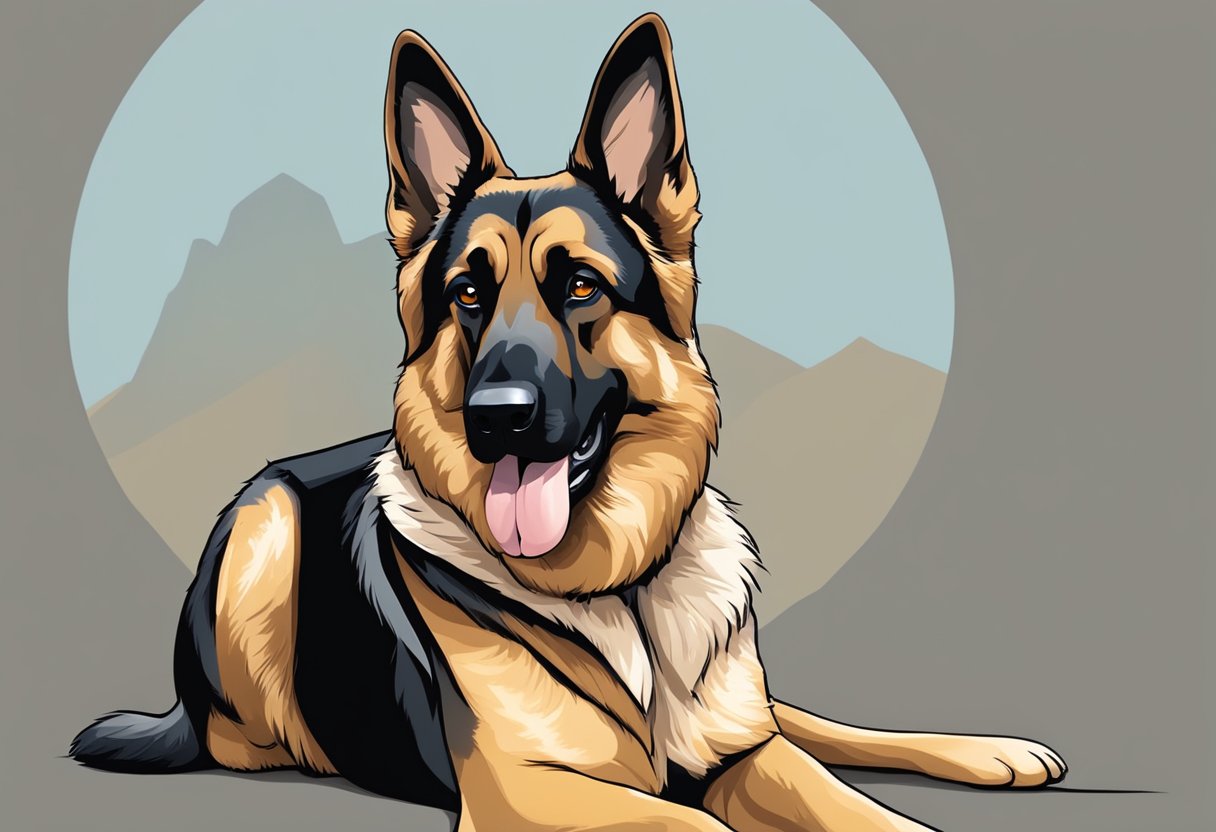
German Shepherds are known for their intelligence, loyalty, and protective nature. They are highly trainable and excel in obedience and agility competitions. Additionally, they are great with children and make excellent family pets. However, like any breed, German Shepherds have their own set of unique characteristics that may not be suitable for everyone.
It is important to consider the time and effort required to properly care for a German Shepherd. They require daily exercise, mental stimulation, and socialization to prevent behavioral issues. Additionally, they shed heavily and require regular grooming. Despite these considerations, many people find that German Shepherds make wonderful and rewarding pets.
Origins of German Shepherds
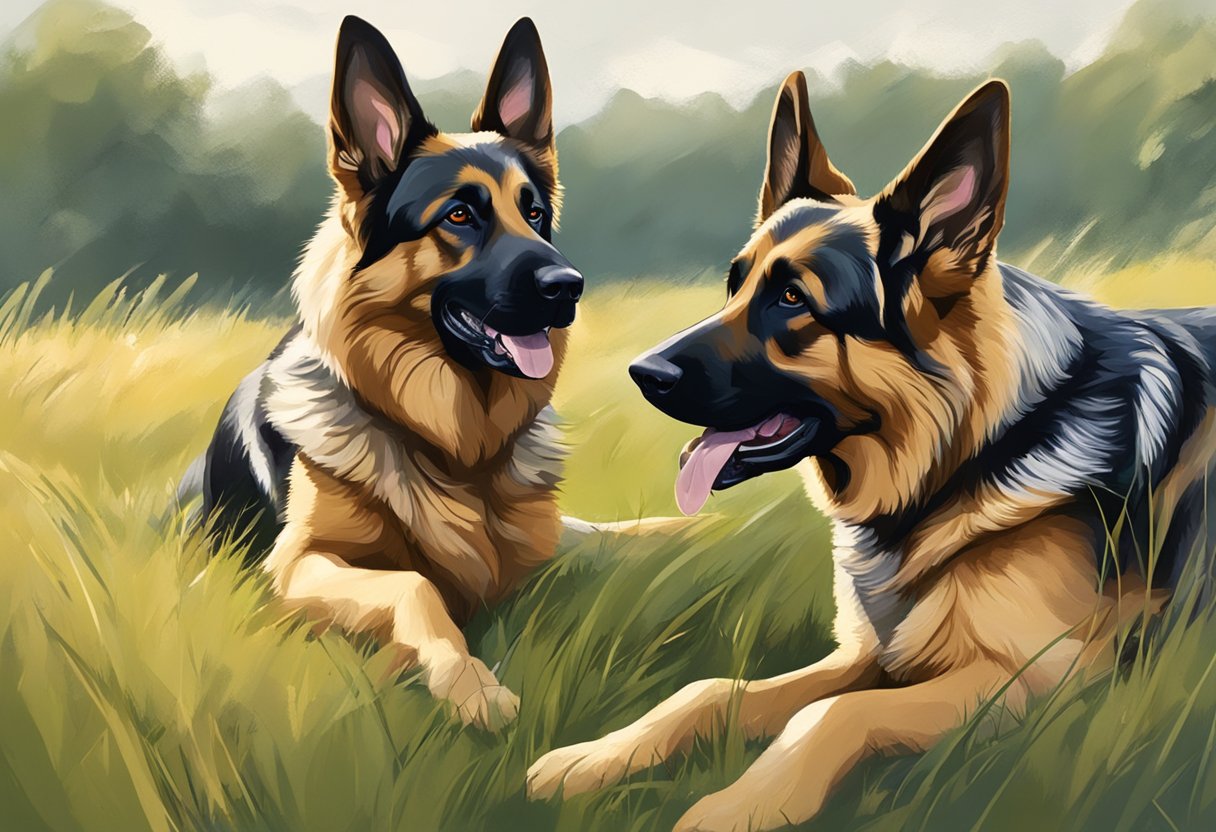
German Shepherds, also known as Alsatians, are a large breed of dog that originated in Germany in the late 19th century. They were originally bred as working dogs, with a focus on herding and protecting sheep.
Breed History
The breed was developed by Captain Max von Stephanitz, who aimed to create a dog with the perfect combination of intelligence, strength, and loyalty. He wanted a dog that could be trained for a variety of tasks and could excel in any situation.
The first German Shepherd was named Horand von Grafrath, and he became the foundation of the breed. Stephanitz continued to refine the breed, and by the early 20th century, German Shepherds had become one of the most popular breeds in the world.
Genetic Traits
German Shepherds are known for their intelligence, loyalty, and protective nature. They are highly trainable and excel in a variety of roles, including police and military work, search and rescue, and as service dogs for people with disabilities.
They are also known for their distinctive appearance, with a strong, muscular body and a thick, double coat. Their coloring can vary, but they are most commonly seen in black and tan or sable.
German Shepherds are prone to certain health issues, including hip dysplasia and degenerative myelopathy, so it is important to choose a reputable breeder and provide proper care to keep them healthy.
Overall, German Shepherds make excellent pets for the right family. They are a loyal and intelligent breed that requires proper training and socialization to thrive.
Temperament and Behavior
German Shepherds are known for their intelligence, loyalty, and protective instincts. Understanding their temperament and behavior is crucial for anyone considering them as pets.
Personality Traits
German Shepherds are highly trainable and intelligent dogs. They are quick learners and excel in obedience training. They are also loyal and protective of their owners, making them excellent guard dogs. However, they can be aloof with strangers and require early socialization to prevent aggressive behavior.
German Shepherds are also known for their high energy levels. They require plenty of exercise and mental stimulation to prevent destructive behavior. They are not recommended for apartment living or families with young children.
Socialization Needs
Early socialization is essential for German Shepherds. They need to be exposed to different people, animals, and environments to prevent aggressive behavior. Proper socialization can also help them develop into well-adjusted and confident dogs.
German Shepherds thrive in homes where they are treated as part of the family. They require plenty of attention and affection from their owners. Neglect or mistreatment can lead to behavioral problems.
In summary, German Shepherds are intelligent, loyal, and protective dogs. They require early socialization and plenty of exercise and mental stimulation. They are not recommended for apartment living or families with young children.
Physical Characteristics
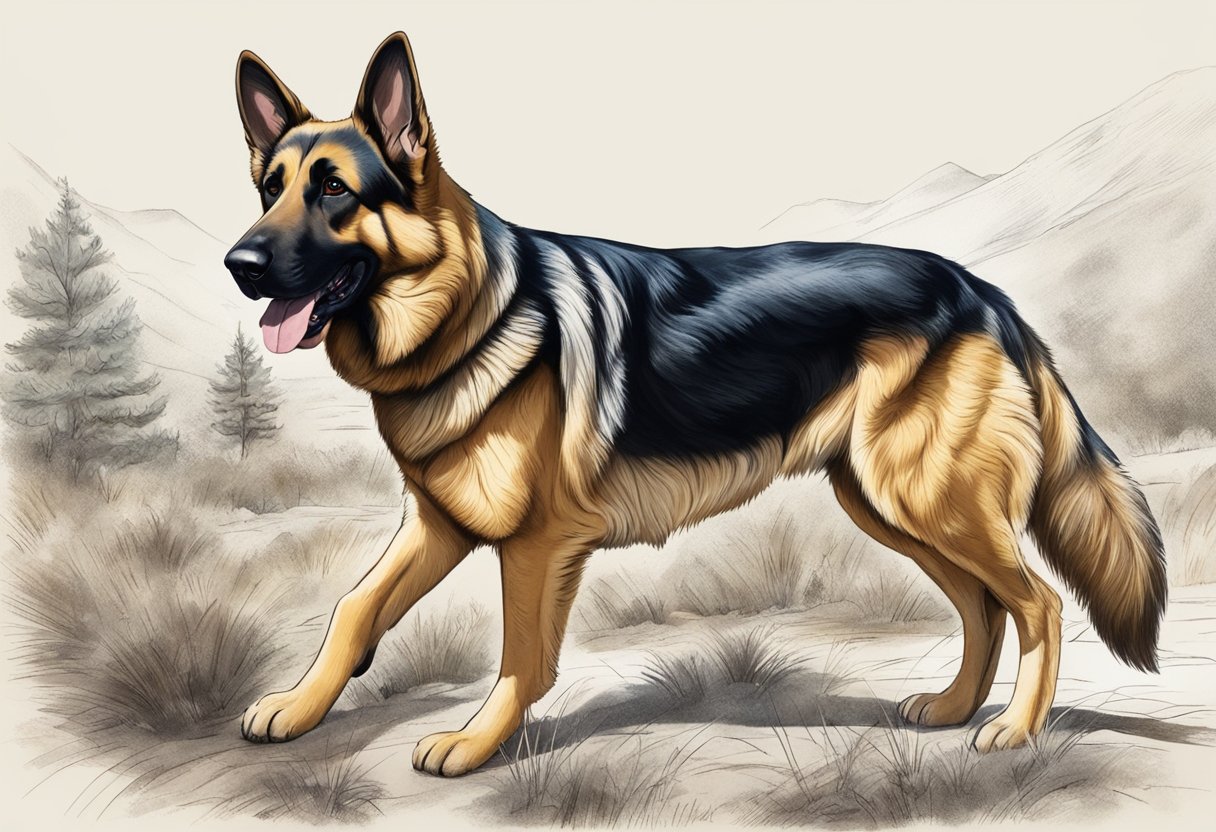
German Shepherds are a breed of medium to large-sized dogs that have a well-muscled, athletic build. They are known for their noble and confident appearance, with a distinctively shaped head and a thick, bushy tail.
Size and Weight
Male German Shepherds typically stand between 24 and 26 inches tall at the shoulder and weigh between 65 and 90 pounds, while females stand between 22 and 24 inches tall and weigh between 50 and 70 pounds. However, like any breed, there can be variations in size and weight.
Coat and Colors
German Shepherds have a double coat, with a thick, soft undercoat and a longer, coarser outer coat. They shed heavily, especially during the spring and fall. German Shepherds come in a variety of colors, including black and tan, black and red, sable, and all-black. Some German Shepherds also have a white coat, although this is not a recognized color by all breed standards.
Overall, German Shepherds are a striking and athletic breed with a distinctive appearance. Their physical characteristics make them well-suited for a variety of roles, including as family pets, working dogs, and service animals.
Health and Lifespan
German Shepherds are generally healthy dogs, but like all breeds, they can be prone to certain health issues. It's important for owners to be aware of these potential issues and take preventive measures to ensure their dog's health and wellbeing.
Common Health Issues
Some of the most common health issues that German Shepherds may face include hip and elbow dysplasia, bloat, allergies, and skin conditions. Hip and elbow dysplasia are genetic conditions that can cause pain and mobility issues. Bloat, also known as gastric torsion, is a life-threatening condition that occurs when the stomach twists on itself. Allergies and skin conditions can cause itching, irritation, and discomfort for the dog.
To prevent these health issues, it's important to provide your German Shepherd with a healthy diet, regular exercise, and routine vet checkups. Additionally, breeders should perform health screenings on their breeding dogs to ensure that they are not passing on any genetic conditions to their puppies.
Average Lifespan
The average lifespan of a German Shepherd is 9-13 years. However, with proper care and attention, some German Shepherds have been known to live up to 15 years. To ensure a long and healthy life for your dog, it's important to provide them with a nutritious diet, regular exercise, and routine vet checkups. Additionally, it's important to keep up with their dental care, as periodontal disease can lead to other health issues.
In conclusion, German Shepherds are generally healthy dogs, but like all breeds, they can be prone to certain health issues. By being aware of these potential issues and taking preventive measures, owners can ensure their dog's health and wellbeing. With proper care, German Shepherds can live long and happy lives.
Care and Maintenance
German Shepherds require regular care and maintenance to ensure their health and happiness. This section will cover their exercise requirements and grooming needs.
Exercise Requirements
German Shepherds are an active breed that requires daily exercise to stay healthy and mentally stimulated. They enjoy long walks, runs, and playing fetch. A lack of exercise can lead to boredom and destructive behavior. It is recommended that they get at least 30-60 minutes of exercise per day.
It's important to note that German Shepherds are prone to hip dysplasia, a condition that affects their hips and can lead to arthritis. Therefore, it is important to not over-exercise them, especially when they are young. Consult with a veterinarian for advice on the appropriate amount of exercise for your German Shepherd.
Grooming Needs
German Shepherds have a double coat that sheds heavily twice a year. Regular brushing can help reduce shedding and keep their coat healthy and shiny. It is recommended to brush them at least once a week.
They also require regular baths, but not too frequently as this can strip their coat of natural oils. Use a dog-specific shampoo and rinse thoroughly to avoid skin irritation.
Other grooming needs include trimming their nails, cleaning their ears, and brushing their teeth. Neglecting these tasks can lead to health issues.
In summary, German Shepherds require regular exercise and grooming to maintain their health and happiness. Consult with a veterinarian for advice on their specific needs.
Training and Discipline
German Shepherds are highly intelligent and trainable dogs. Their natural instincts to protect and serve make them excellent candidates for obedience training, agility training, and even police or military work.
Trainability
German Shepherds are quick learners and are eager to please their owners. They respond well to positive reinforcement training techniques, such as treats and praise. It is important to start training your German Shepherd at a young age to establish good habits and prevent bad behaviors from forming.
Some common commands that German Shepherds can learn include sit, stay, come, heel, and down. They can also be trained to perform more advanced tasks such as tracking, search and rescue, and even therapy work.
Discipline Techniques
While positive reinforcement is the preferred method of training, it is important to establish boundaries and rules for your German Shepherd. Consistency is key when it comes to discipline.
Some effective discipline techniques for German Shepherds include:
- Firm verbal commands
- Time-outs in a designated area
- Removal of privileges or toys
- Use of a leash or crate to prevent unwanted behaviors
Physical punishment should never be used as a discipline technique for German Shepherds, as it can lead to fear and aggression.
In summary, German Shepherds are highly trainable dogs that respond well to positive reinforcement training techniques. It is important to establish boundaries and rules for your German Shepherd to prevent bad behaviors from forming. Consistency is key when it comes to discipline, and physical punishment should never be used.
German Shepherds and Families
German Shepherds are a popular breed of dog that can make great family pets. They are known for their loyalty, intelligence, and protective nature, which can make them excellent companions for families with children. However, it is important to note that German Shepherds require a lot of attention and training to ensure they are well-behaved around children and other pets.
Compatibility with Children
German Shepherds can be very loyal and protective of their families, which can make them great with children. They are known for being patient and gentle with kids, but it is important to supervise interactions between children and dogs to prevent any accidents. German Shepherds can also be very active and playful, which can make them great companions for children who like to play outside.
Interaction with Other Pets
While German Shepherds can be great with children, they may not always get along with other pets in the household. They have a strong prey drive and may see smaller animals as prey, so it is important to introduce them to other pets slowly and under supervision. With proper training and socialization, German Shepherds can learn to coexist peacefully with other pets in the household.
Overall, German Shepherds can make great family pets for those who are willing to put in the time and effort to train and socialize them properly. They are loyal, intelligent, and protective, which can make them excellent companions for families with children. However, it is important to remember that they require a lot of attention and training to ensure they are well-behaved around children and other pets.
Conclusion
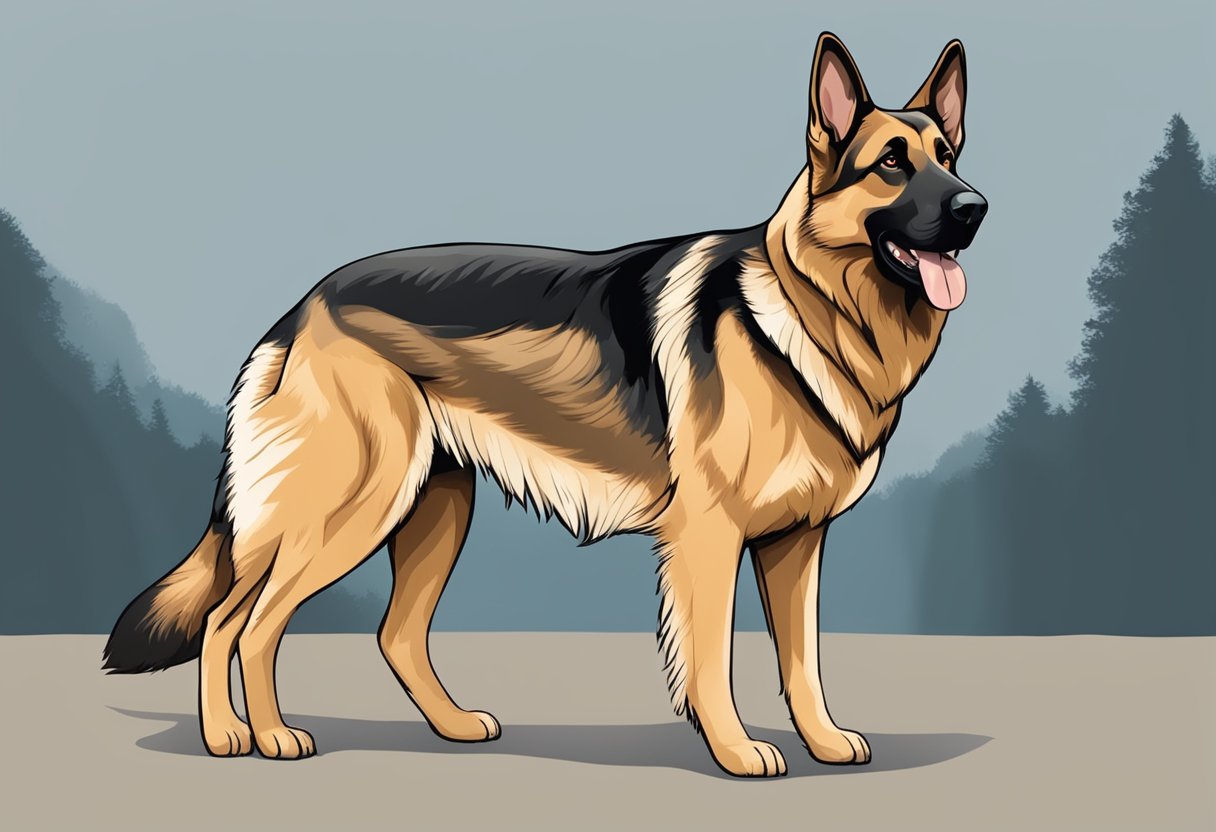
In conclusion, German Shepherds can make excellent pets for the right owner. They are intelligent, loyal, and protective animals that can provide companionship and security. However, they require a lot of attention, training, and exercise to thrive.
Potential owners should carefully consider their lifestyle and living situation before bringing a German Shepherd into their home. They need plenty of space to run and play, and they require daily exercise and mental stimulation. They also need consistent training and socialization to prevent behavioral issues.
Overall, German Shepherds can be great pets for experienced dog owners who are willing to put in the time and effort to care for them properly. They are not suitable for everyone, but for those who are up to the challenge, they can be rewarding and loving companions.